

Poor Lighting In Parking Areas And Modern Advances
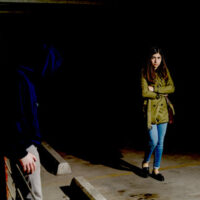
Parking garages, surface lots, and alleyways are often treated as afterthoughts when it comes to property safety. Yet these areas are among the most common locations for assaults, robberies, and other violent crimes.
For victims, poor lighting can mean the difference between seeing danger in time and being caught completely off guard. And for Maryland property owners, it can mean legal liability under premises liability and negligent security law. After harm is sustained, a Baltimore personal injury lawyer can investigate security practices to determine whether negligence played a role.
Why Poor Lighting Increases the Risk of Assault
Inadequate lighting creates ideal conditions for criminal activity. Dimly lit spaces provide concealment, limit visibility, and reduce a person’s ability to assess their surroundings. Attackers are more likely to target areas where they can approach unseen or escape without being identified.
Parking garages and lots are particularly vulnerable because people are often distracted. They may be focused on unlocking vehicles, carrying bags, or looking for keys. In poorly lit environments, victims may not notice someone approaching until it is too late. Alleys and secondary access points pose similar risks, especially when lighting is inconsistent or outdated.
Studies and crime prevention experts have long recognized lighting as a key deterrent. Well-lit areas increase natural surveillance, reduce hiding places, and make criminal behavior more visible to passersby and security cameras.
Maryland property owners have a legal duty to take reasonable steps to protect lawful visitors from foreseeable harm. When a property is located in an area with a history of crime or prior similar incidents, that duty becomes more pronounced. Inadequate lighting can be evidence that an owner failed to provide reasonable security measures.
In negligent security and premises liability cases, poor lighting is often cited as a contributing factor. If a property owner knew there was insufficient lighting and failed to address it, they may be held accountable for resulting injuries.
Examples include garages with burned-out lights, lots with uneven illumination, or alleyways where lighting is obstructed or nonexistent. When these conditions persist, they can support a claim that the property owner ignored known safety hazards.
How Lighting Technology Has Changed
Lighting technology has advanced significantly over the past two decades. Modern LED systems provide brighter, more consistent illumination while using less energy and requiring less maintenance. Motion-activated lighting, smart controls, and integrated monitoring systems now allow property owners to enhance safety without excessive cost.
Older lighting systems, such as high-pressure sodium or poorly maintained fluorescent fixtures, often produce uneven light and dark shadows, conditions that undermine safety. Today’s technology allows for uniform coverage, better color rendering, and improved compatibility with security cameras.
More than an inconvenience, poor lighting is a serious safety issue. As technology evolves and safety standards rise, property owners must adapt. When they fail to do so and someone is harmed, a Baltimore personal injury lawyer can pave a path to accountability.
How will you prove that a property owner failed to prevent a foreseeable danger? Speak with the attorneys at Iamele & Iamele, LLP. To book a confidential consultation, contact us.