

Inadequate Lighting Claims In Urban Vs. Suburban Maryland
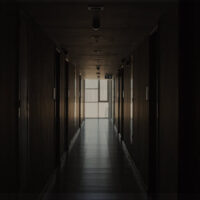
Slip-and-falls, assaults, and other incidents tied to poor visibility often come down to one core issue: inadequate lighting. Baltimore personal injury lawyers who have experience with premises liability and negligent security cases know that lighting isn’t just about convenience, it’s a safety measure that property owners are expected to manage responsibly.
But it’s essential to acknowledge that analysis following harm looks different depending on where the incident occurred. Comparing urban environments like Baltimore with suburban retail corridors across Maryland highlights how context shapes liability, particularly when courts evaluate foreseeability and reasonable care.
Urban Settings and Heightened Foreseeability
In dense urban areas such as Baltimore, property owners often face a higher bar when it comes to lighting and security measures. This is largely due to the concept of foreseeability. If a property is located in a high-crime area, the owner may be expected to take additional precautions to mitigate known risks.
For example, poorly lit parking lots, alleyways, or building entrances can increase the likelihood of criminal activity. Should prior incidents happen nearby, or on the property itself, owners know that it is in their interests to implement stronger lighting systems, conduct regular inspections, and address outages promptly.
Courts may examine whether the property owner:
- Installed adequate lighting for the environment
- Responded quickly to burned-out fixtures or electrical issue
- Considered crime data when designing security measures
- Coordinated lighting with surveillance systems
Failure in any of these areas can support a claim that the property owner did not take reasonable steps to protect lawful visitors.
Suburban Corridors and Consistency
In suburban retail areas, the analysis typically shifts slightly. While crime rates may be lower than in urban centers, property owners are still responsible for maintaining safe conditions.
Here, inadequate lighting claims frequently focus on maintenance failures rather than broader security planning. So, a shopping center with inconsistent lighting, such as dark patches in a parking lot or non-functioning walkway lights, can create hazards even in otherwise low-risk environments.
Liability in these cases may hinge on whether the owner:
- Conducted routine inspections of lighting systems
- Maintained clear records of repairs and replacements
- Addressed known issues within a reasonable timeframe
Even without a history of criminal activity, a lack of proper lighting can contribute to accidents or create opportunities for preventable incidents. Suburban property owners are not exempt from responsibility, they are simply evaluated under slightly different expectations.
Inadequate lighting claims are rarely one-size-fits-all. Speak to a Baltimore personal injury lawyer if you were hurt due to an unsafe condition. The same lighting condition may be evaluated differently depending on location, prior incidents, and how the property is used.
Injury claims have nuances. An injured party needs to know their rights, and property owners need to engage with proactive safety measures, whether in a busy urban center like Baltimore or along a suburban shopping corridor.
Where were you when poor lighting created an accident risk? Share the details of your situation with the attorneys at Iamele & Iamele, LLP. When lighting is treated as an afterthought, the legal and human consequences can be significant. Contact us to book a confidential appointment.