

When Elevators And Stairwells Become Security Hazards
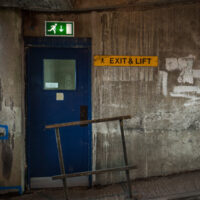
Risks to personal security are commonly thought of as something that happens outside of buildings. This could be harm sustained in dimly lit parking lots, for instance. Yet some of the most dangerous places on a property are actually inside.
Elevators, stairwells, and other enclosed or less-traveled areas can be the sites of assaults, robberies, or serious accidents. When property owners fail to take proper precautions, they may be held legally responsible for the harm that occurs there. Connect with a Baltimore personal injury lawyer to determine next steps if you were hurt in a stairwell or elevator.
High-Risk Areas and the Legal Duty to Maintain Safe Premises
Essential features in apartment complexes, hotels, office buildings, and parking garages, elevators and stairwells are typically the least monitored parts of a property. These spaces are typically enclosed and out of sight, conditions that can make them attractive locations for criminal activity.
For example, in a stairwell, a broken light, loose handrail, or malfunctioning lock can turn a quick trip between floors into a life-changing fall or assault. Elevators with faulty doors, broken emergency buttons, or delayed repairs can trap riders or leave them vulnerable in isolated conditions. When property owners or managers ignore complaints, skip maintenance, or fail to address known dangers, they may be exposing residents, guests, and visitors to serious risks.
Under Maryland law, property owners and managers have a legal obligation to maintain reasonably safe conditions for people lawfully on their property. This includes not only fixing physical hazards but also taking steps to prevent foreseeable criminal acts.
So, if a building has a history of trespassing, break-ins, or assaults in certain areas, the owner must take reasonable measures to address those risks. That might include:
- Installing and maintaining adequate lighting in stairwells and near elevators.
- Ensuring security cameras are present and functional.
- Requiring key fobs or controlled access to limit entry to residents and authorized personnel.
- Responding promptly to maintenance reports about locks, lights, or broken call buttons.
- Hiring or training security personnel to patrol areas where incidents have occurred.
Failure to take these precautions can amount to negligent security. This is a form of premises liability that holds property owners accountable for preventable harm.
When an Injury or Assault Happens
Victims of elevator or stairwell assaults may feel powerless, especially when their injury or trauma occurs in a place that should have been secure. But if inadequate lighting, poor maintenance, or ignored complaints contributed to the danger, the property owner may be financially liable.
A Baltimore personal injury lawyer can investigate whether the owner or management company knew about the risk and failed to act. Evidence such as maintenance records, prior incident reports, or surveillance footage can reveal a pattern of neglect that strengthens a victim’s case.
Are you recovering from an injury? When it comes to accessing funds to pay off recovery expenses, the attorneys at Iamele & Iamele, LLP can help you understand your rights, gather critical evidence, and hold responsible parties accountable. Contact us to book a confidential appointment.